










The problem with blends
The fashion industry's waste problem is not just about what ends up in landfill. It starts with how clothes are made.
Blended fabrics — where cotton is woven with elastane, or linen sewn with a polyester lining — become almost impossible to recycle once a garment reaches the end of its life. The fibres cannot be separated. The garment cannot be recovered. At JAG, we design differently.
01 · Mono-material design
One garment.
One fibre.
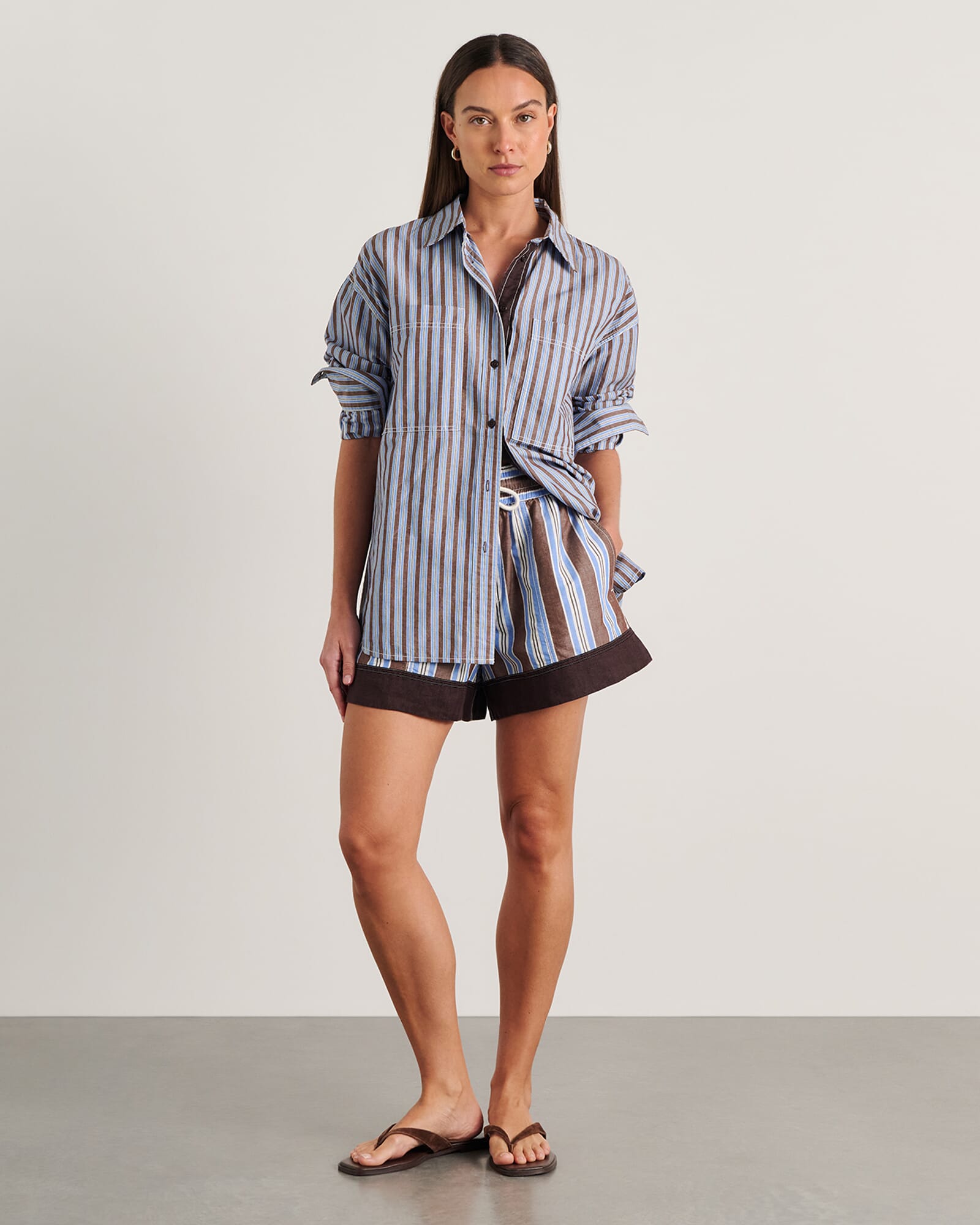
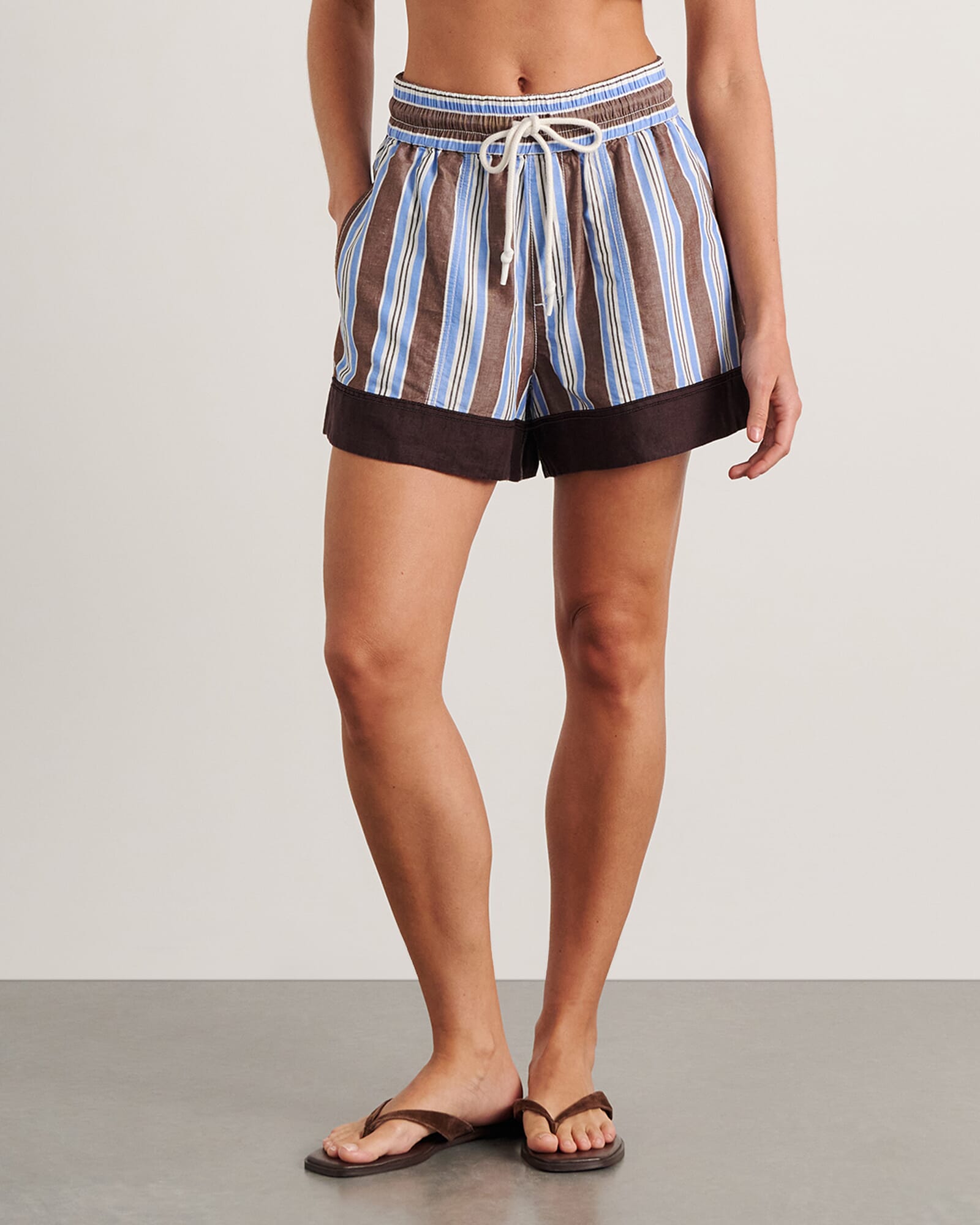
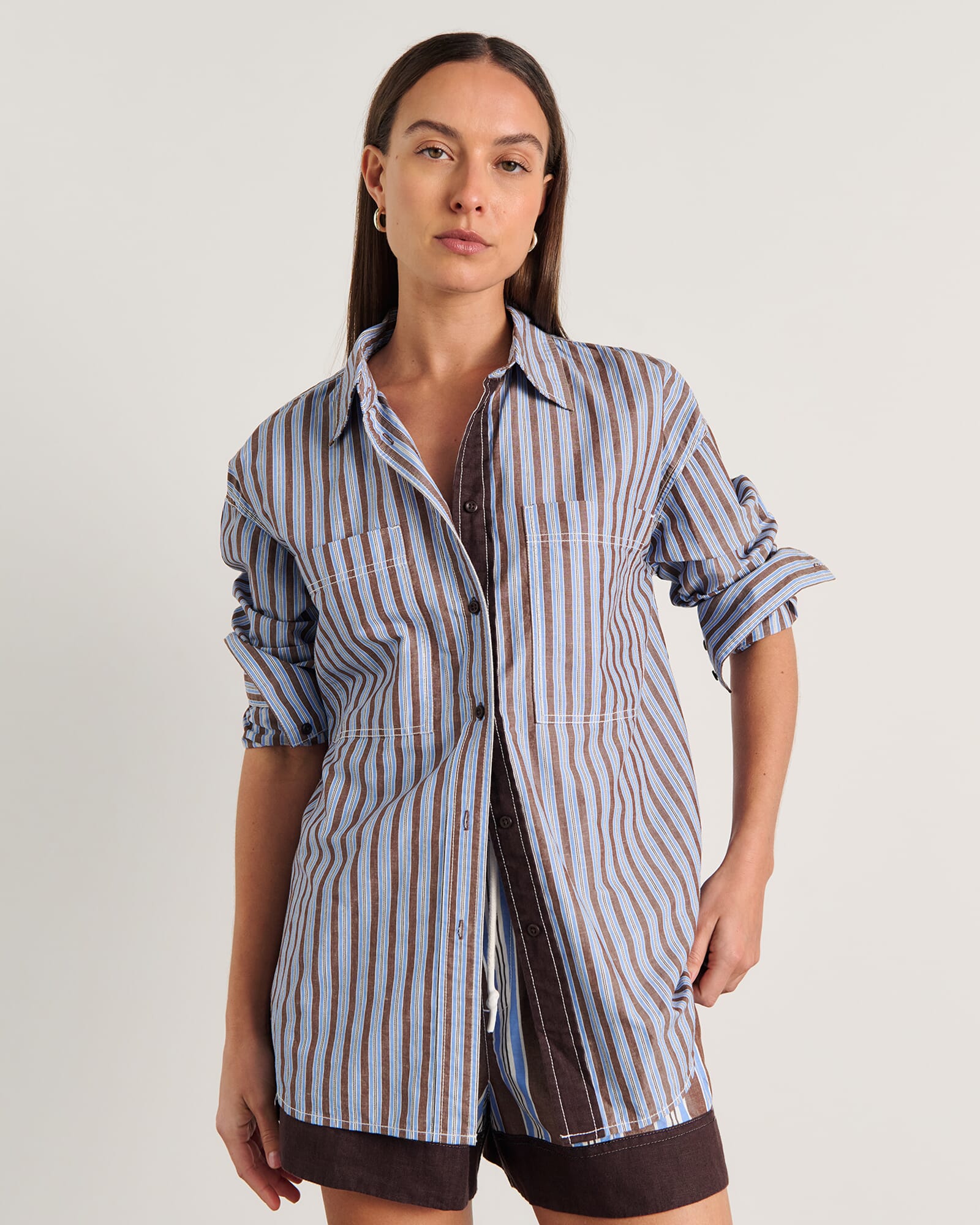
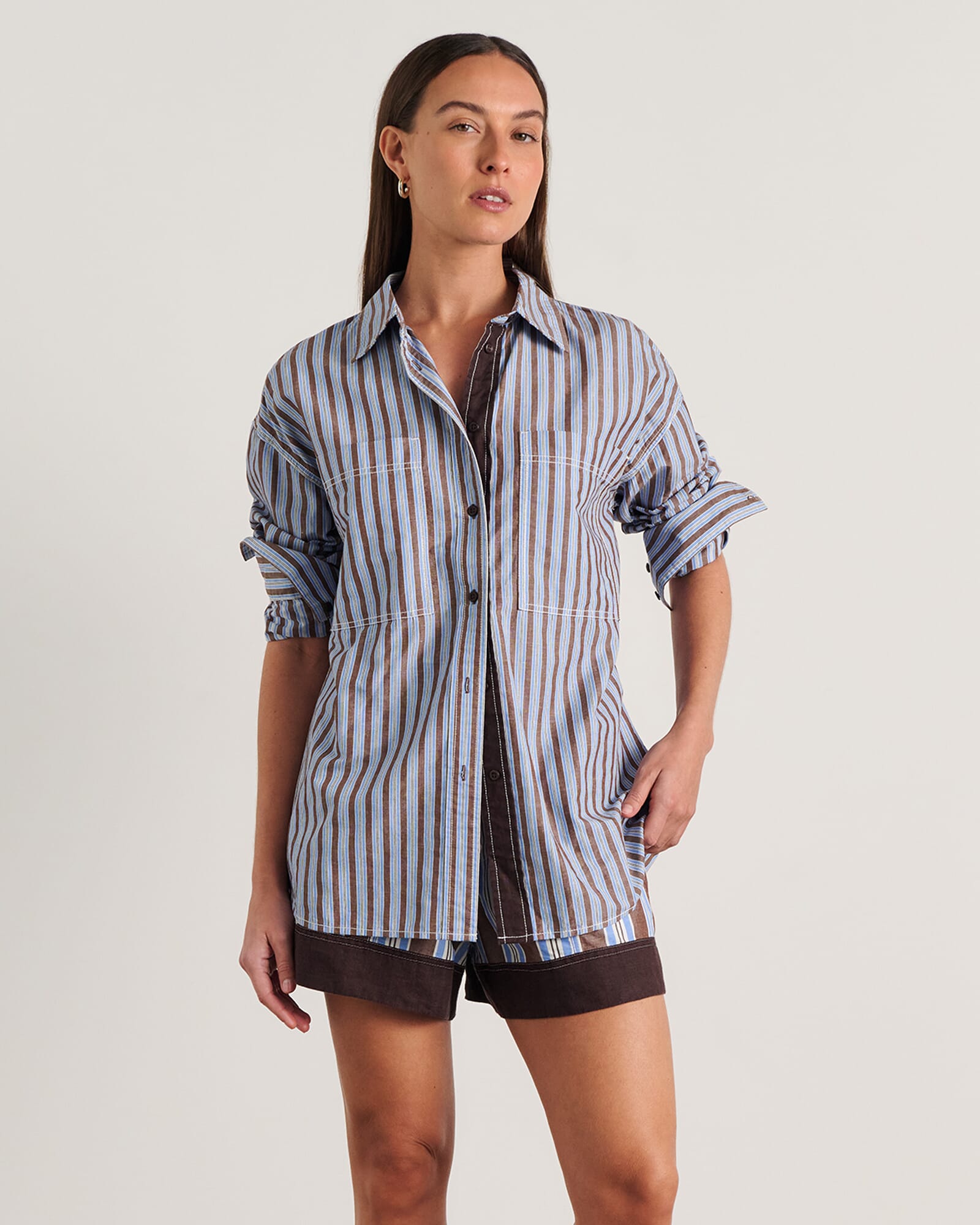
The majority of our collection is designed as mono-material — each garment made from a single fibre type. A 100% linen dress. A 100% cotton shirt. No blends where blends are not needed.
When a garment is made from one fibre, it can be recovered and recycled at end of life. This is not just good for the planet. It is also a sign of quality — mono-material design requires more skill, more precise construction, and a deeper understanding of the fabric.
Our FY26 results
62%
of units produced were made withat least 95% single fibre
52%
of units produced were made with100% single fibre
0.95%
of total units contained polyester —all of it 100% recycled

JAG x SEAMLESS
02 · A national commitment
In FY24, JAG joined Seamless, Australia's National Clothing Stewardship Scheme. Seamless is the first of its kind initiative globally working towards achieving clothing circularity by 2030 - creating systems for clothes to be designed better, used responsibly, collected at end of life, sorted, and recycled rather than sent to landfill.
JAG is APG & CO’s most progressive and agile brand. JAG is built around natural fibres and conscious design and has a strong alignment with Seamless circularity thinking framework.
In our first year of membership we participated in two Seamless working groups — Data Reporting & Eco-modulation, and Aged Inventory — completed two reporting cycles, and shared our FY25 performance. We are committed to improving our numbers year on year.
03 · What you can do
Circularity works best together
It depends on how we design, how suppliers produce, and how you care for and eventually pass on your JAG pieces.
WASH LESS, AND COLD WHEN YOU DO.
Washing is the single biggest action you can take to extend a garment's life.
REPAIR BEFORE YOU REPLACE.
A broken button or a small tear does not end a garment's story.
PASS IT ON.
When your JAG piece has run its course, donate, pass on, or look for textile collection points near you.